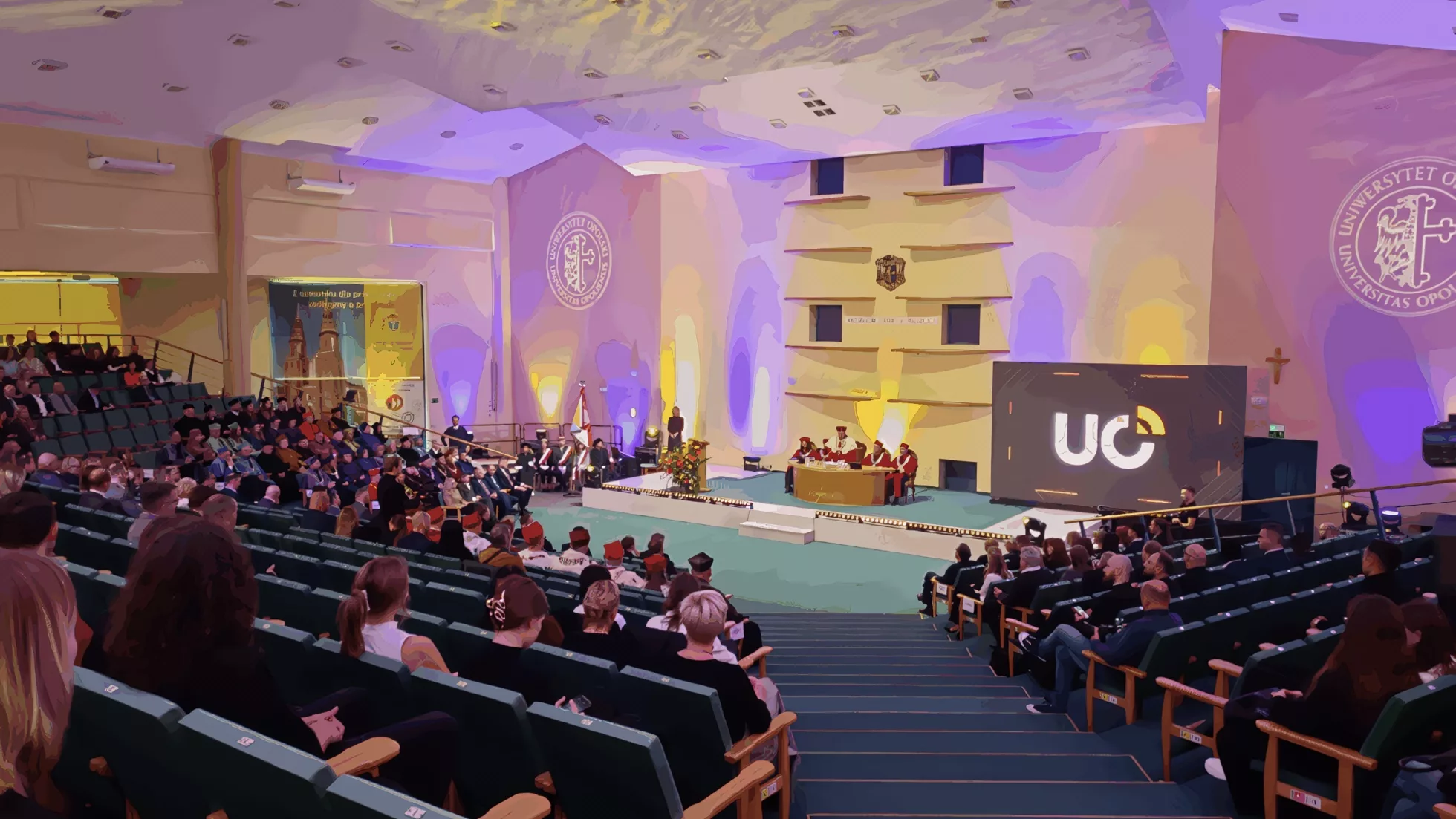
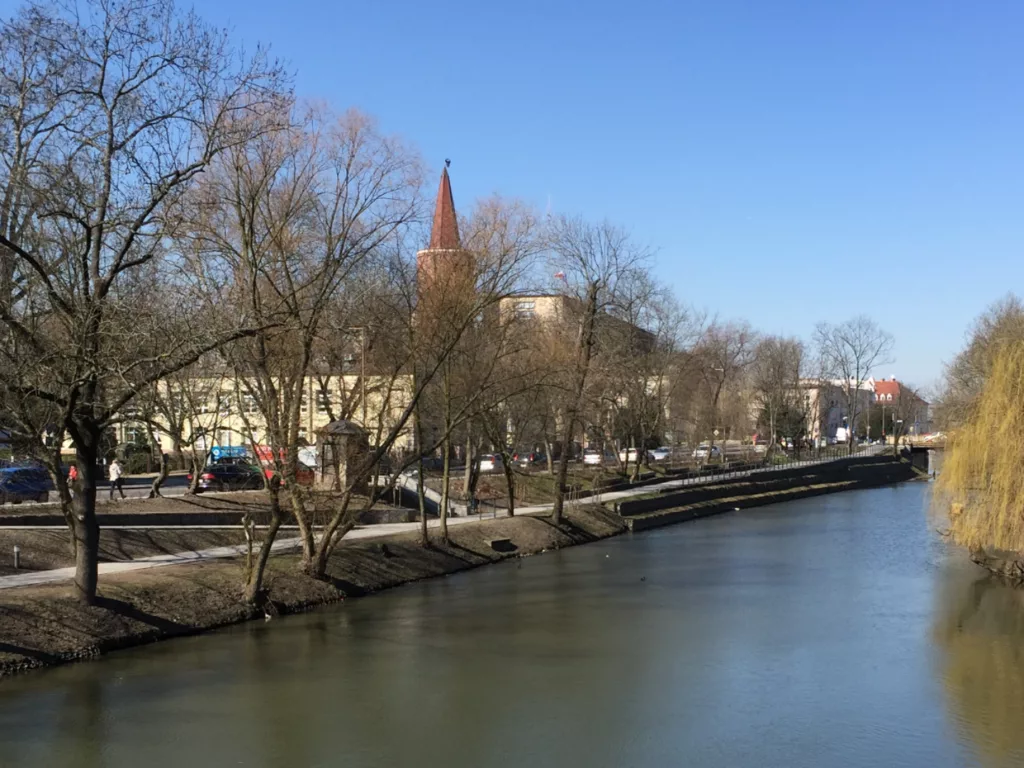
When I think of Opole, I do not first think of statistics, policies, or national debates, I think of students walking through the city, conversations after class, colleagues helping me understand Polish customs. The quiet dignity of a smaller university city where people still had time to notice one another.
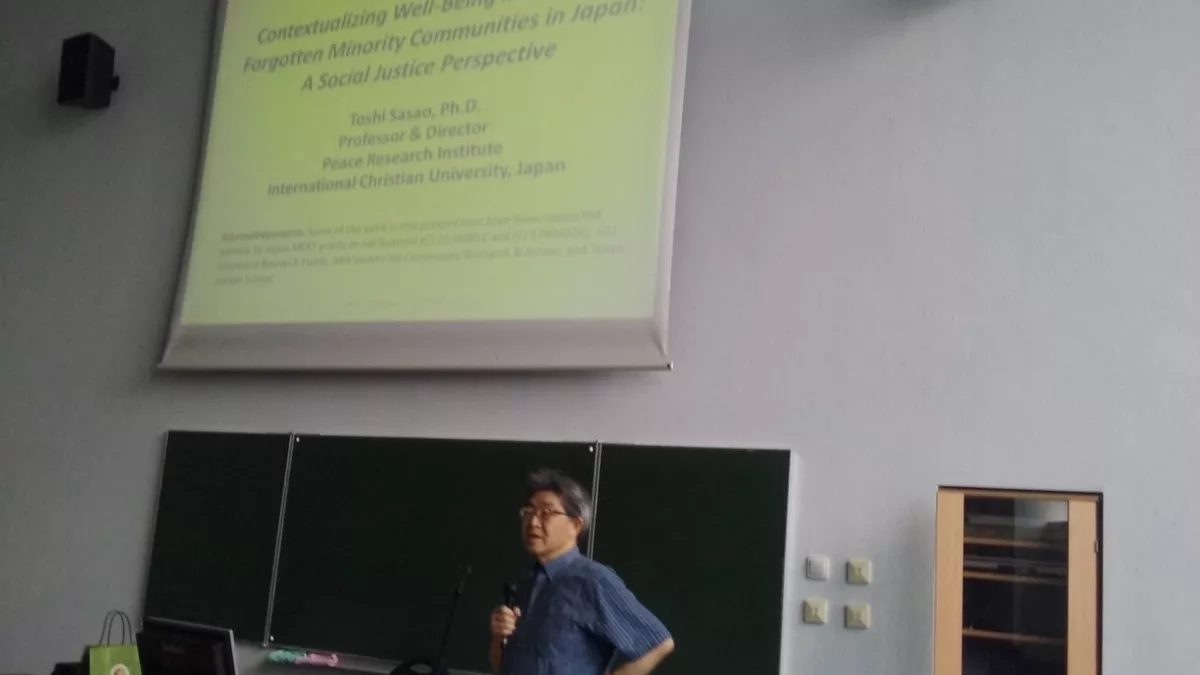
I taught at a university in Opole for almost ten years. I arrived as a professor from Japan, not fully knowing what to expect. Over time, Opole became more than a workplace. It became one of the places that taught me how communities hold people together.
I remained an outsider in many ways. My Polish was limited, my cultural instincts were Japanese, and I often had to ask what others understood immediately. But perhaps that is why Opole stayed with me. A foreigner learns community not from official slogans, but from small acts: a colleague explaining a local custom, a student sharing a family story, a greeting in the street, a conversation over coffee, a city festival, or a classroom moment when people from different backgrounds suddenly understand one another.
Now, back in Tokyo, I often think about Opole when I write about loneliness, aging, education, and community. Japan is one of the world’s most aged societies. We have advanced technology, efficient transportation, and many public services designed to support older adults. Yet Japan also faces a deep loneliness problem. Many people live alone. Neighborhood ties have weakened. Families are smaller. Young people often feel uncertain about marriage, work, and the future. Older people may be safe, but not always known.
Japan has taught me a difficult lesson: a society can be efficient and still be lonely.
Loneliness is often treated as a private feeling. We imagine it as something inside the individual: sadness, isolation, or lack of friends. But from a community psychology perspective, loneliness is also a social condition. People become lonely not only because of personal weakness, but because the settings around them no longer create enough ordinary opportunities to be seen, remembered, and needed.
A person needs more than services. A student needs more than a degree. An older adult needs more than medical care. A foreign resident needs more than legal permission to live in a country. Human beings need places where they matter.
This is why university cities like Opole are so important.
A university is not only a place where lectures happen. It is not only where students earn credits, write papers, and prepare for careers. At its best, a university is one of the civic hearts of a city. It brings generations together. It welcomes young people who are still forming their identities. It connects local history with global questions. It creates friendships, arguments, memories, and obligations. It gives a city intellectual life, cultural energy, and human movement.
But there is also a danger. A university city can become a place where students simply pass through. They arrive, study, graduate, and leave. They may spend several years in a city without becoming truly connected to it. The city becomes a temporary station rather than a shared home.
This is not only a Polish issue. It is a global one. In Japan, many regional universities face the same question: how can students become part of local life instead of remaining separate from it? How can older residents and younger students meet each other in meaningful ways? How can classrooms connect with neighborhoods, schools, churches, cultural organizations, local businesses, and civic groups?
I believe Opole has something valuable to offer here. Its strength is not size. It is scale. In a smaller city, relationships can still become visible. A student can encounter the city beyond the campus. A professor can learn from local life. Cultural events can bring people together across age and background. Local identity can still be felt. The danger of loneliness may be real, but so is the possibility of belonging.
This should not be romanticized. Smaller cities also face real challenges. Young people may leave for larger cities or other countries. Older people may feel forgotten. Families change. Churches and traditional institutions may no longer play the same role they once did. Economic pressures can weaken local participation. Nostalgia can make us remember the past more kindly than it actually was.
Still, memory has value if it helps us ask better questions about the future.
What makes a city a place of belonging? It is not only beautiful streets, cultural festivals, or historic buildings, though these matter. It is the pattern of everyday connection. Do students know local residents? Do older adults have places where they are not merely served, but listened to? Do foreign teachers and international students feel like temporary guests, or like participants in local life? Do universities open themselves to the city?
In Japan, we are learning that loneliness cannot be solved only after people become isolated. By then, the work is much harder. The wiser path is prevention: keeping community ties alive before they disappear. This means creating repeated, ordinary, human encounters. Not grand events only, but small habits of recognition. The old wisdom still holds: people need neighbors.
From Tokyo, I remember Opole as one of the places that helped me understand this. My students taught me about Poland, but they also taught me about youth, hope, uncertainty, humor, and the desire to find one’s place. My colleagues taught me that hospitality is not an abstract virtue. It is something practiced in small gestures. The city itself taught me that community is not built only through institutions, but through the everyday ways people make room for one another.
Poland and Japan are very different countries. Their histories, religions, languages, and social traditions are not the same. But both face a modern question that many societies now share: how do we remain human in a world that makes it easy to become isolated?
My answer, shaped partly by my years in Opole, is simple but not easy. We need to rebuild the places where people are known. We need universities that belong to their cities. We need communities where older adults are not invisible, young people are not merely passing through, and foreigners are not only visitors.
Loneliness is not only the absence of company. It is the absence of belonging.
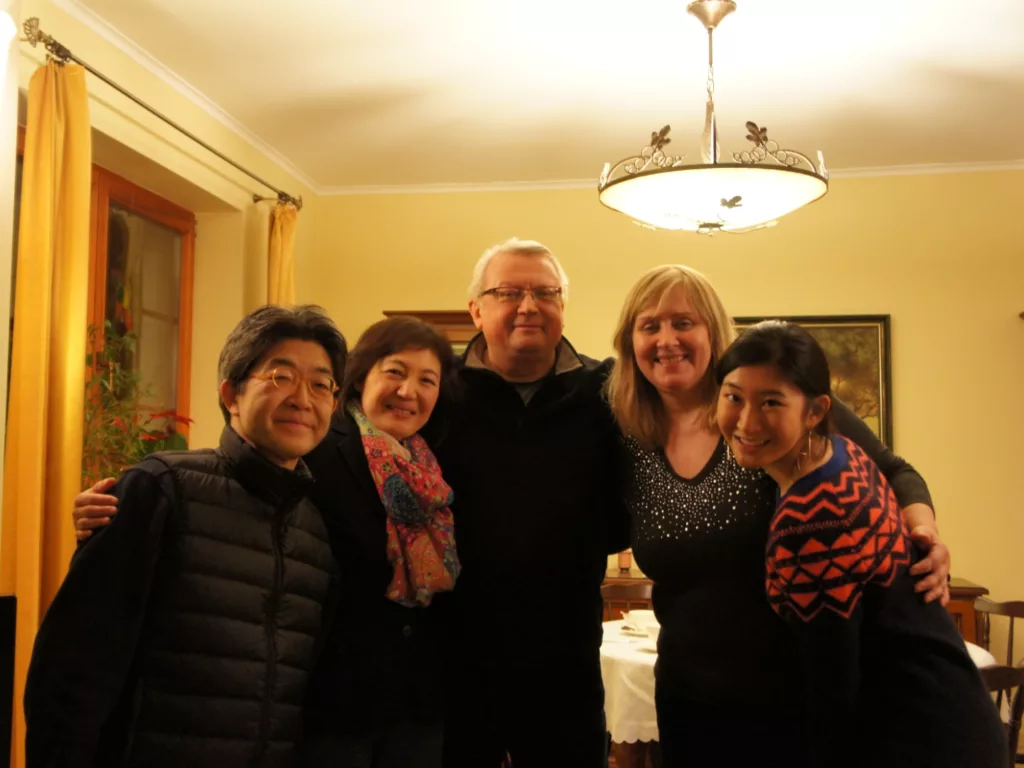
Opole taught me that belonging can still be found in ordinary places: a classroom, a street, a conversation, a shared meal, a local festival, a kind explanation offered to a confused foreign professor. These things may seem small. But communities are made of small things repeated over time.
From Opole to Tokyo, that lesson has stayed with me.

This article has been kindly submitted for publication directly by its author. We are deeply grateful for the opportunity to present it on our website.
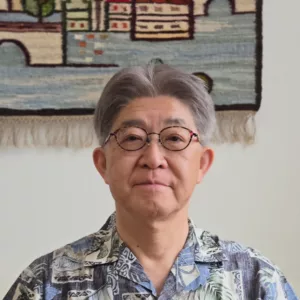
(photos: Toshiaki Sasao, B.S., M.Ed., Ph.D.)


You might be interested in...